

The early Hart of the NHRA
Don Garlits and Darrell Gwynn; their lives in words and photos in new books

Random ramblings and rumblings, the sequel
Random ramblings and rumblings
Memories of Englishtown
-
Remembering Steve Ambrose
Right back where we started from: Winternationals is back at No. 1
Meet Larry Wood: The man whose designs launched a million hot rod dreams
Can you imagine a toymaker designing your Top Fueler? 'Snake' and 'Mongoose' could
For the love of old drag racing photos
The ultimate Funny Car winners quiz
Still popular after all these years: Catching up with fan favorites Eddie and Ercie Hill
Eddie Hill, the early years
55 years ago, Don Garlits forever changed the look, feel, and future of Top Fuel racing
On a roll: A look at some all-time great NHRA Drag Racing success streaks
- ad
NHRA's Top 75 Moments: Bernstein, 'Big,' and Shirley reflect on making history
Funny Car set to turn 1,000: A look back at the milestone races along the way
Beyond the Top 75s ...
Wait ... Jim Head was in a 1960s surf band promoted by a drag racing legend? Yep.
More Martin memories
The Popular Hot Rodding Championships put U.S. 131 in the national spotlight
Friends we lost in 2025
Re-telling NHRA history: The 75th anniversary book and other special projects
It was John Force's world, and we were all thrilled to be living in it
The Joyce of Drag Racing Photography
- ad
Two legends: 'Big' and Bakersfield
When did we start doing that? Tracking some of the biggest changes in our sport
From 10-time dominators to one-time winners, a history of Indy Top Fuel champs
Legend to legend: Don Prudhomme on Don Garlits, Indy, and other great takes
NHRA Rookies of the Year: A look back at where some fabulous careers began
Meet Larry Wood: The man whose designs launched a million hot rod dreams
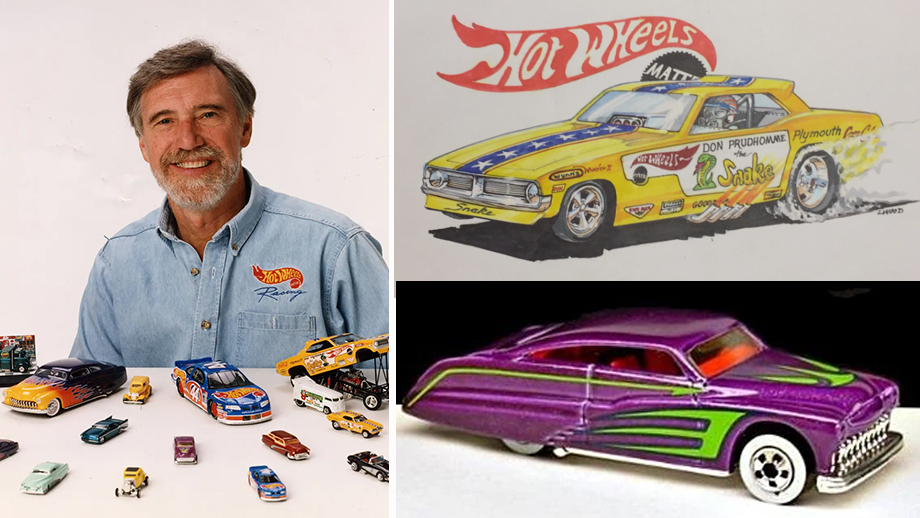
Sometimes the cosmos align, and people end up being exactly where they’re meant to be. Look at me: Obsessed teenage drag racing fan/pit rat who discovered in high school that he could string together words in pleasing fashion ends up with a lifelong job writing about the sport, the people, and its history.
And then there’s Larry Wood, aka "Mr. Hot Wheels." A teenage hot rodder whose desire to build imaginative hot rods outstripped his budget, then llanded his dream job and spent decades conjuring up some of the wildest-looking vehicles in the world, using pen and paper and imagination.
We are two of the luckiest people on the planet.
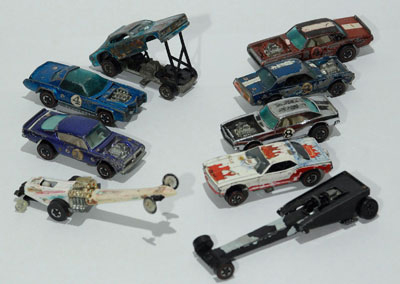
It’s not an exaggeration to say that Hot Wheels helped shape my life. Before I ever really knew what a Funny Car was, I owned two of them. Like many of you, my introduction to the breed came through Mattel’s Hot Wheels brand, which began sponsoring Don “the Snake” Prudhomme and Tom “the Mongoose” McEwen in 1970 and put miniature versions of their famed floppers into our greedy little hands.
I loved how the bodies tilted up to reveal the engine and roll cage. The cool decals on their flanks. I played with them nonstop, rolling them down orange plastic racetracks of my design — from the dresser to the floor, around the loop, take a hard right, go over the jump, stop in a pile of clothes strewn at the end of the track. I watched the Hot Wheels TV commercials in awe of seeing the real cars in action and, hey, wait … “the Snake” and “the Mongoose” are real people? Wouldya look at that?
Longtime readers of this column might remember my previous odes to my Hot Wheels years: Growing up boy and A Christmas Letter to My Younger Self that pretty much spell it all out.
The guy who helped put them into my 9-year-old mitts and undoubtedly, along the way, played a huge role in developing my lifelong love affair with drag racing was Wood. Wood is now known affectionately by a worldwide fan base as “Mr. Hot Wheels,” but back then, he was just a young graphic artist with an interest in hot rodding and drag racing. One of his first assignments after being hired by Mattel in 1969 was to meet Prudhomme and McEwen and turn their brand-new, real-life Plymouth Funny Cars into 1:64 exacting miniatures.
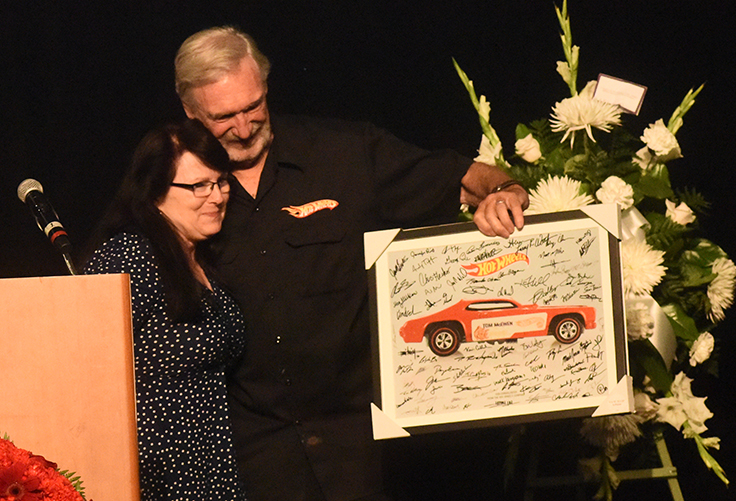
I first met Wood at the memorial for McEwen in July 2018. He had come on stage to present McEwen’s daughter, Katie, with an autographed drawing of “the Mongoose’s” iconic red Duster and to talk about their long friendship. I had no idea he would be there, and I made a beeline to him after the memorial just to shake the hand of the guy who helped make me a car guy, too. He was genial and open and handed me his business card, saying I should stop by his shop sometime. I somehow immediately lost the card and all contact.
Some eight years later, we reconnected through Hot Wheels collector Mike Bunge, whom I had met a few years ago. Bunge owns perhaps the world’s greatest collection of Hot Wheels memorabilia — not just cars, but prototypes, molds, signage, and more — and had just purchased Wood’s collection of 10,000 or so more items, so when I asked for a reintroduction to Mr. Hot Wheels for my recent article about the 1971 Hot Wheels Wild Wheelie dragsters, he supplied it.
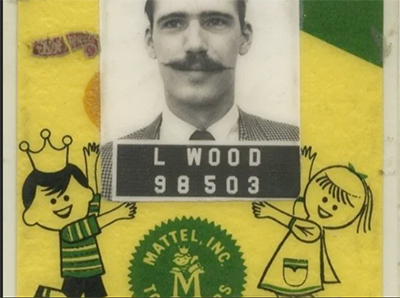 I’ve been blessed to be able to meet a lot of my heroes — many of the legends of drag racing that I only dreamed I’d see on the pages of magazines, favorite authors, favorite athletes, favorite musicians — but it was everything I could do to control the giddiness of getting to spend some time with Wood and to share his story.
The man has told his story to countless media outlets (go ahead and Google him), yet he was kind and patient and surprisingly animated in retelling the stories he has undoubtedly shared scores of times. Maybe it was my interest from the drag racing side or my breathless recitation of all of the Hot Wheels cars I had owned as a kid (and still own) or just a shared passion between two hot rod geeks, but we had a marvelous time.
“Just like you knew what you were going to do as a kid, I knew I was going to design cars,” he told me. “I wanted to live in California, but there were no design studios in California, so how the hell was I going to do that?”
An early start
Wood grew up in Connecticut, a world away from the center of the hot rod universe in Southern California, and, as the story goes, had his life changed forever at age 15 when his father, a football coach at Wesleyan University, confiscated a copy of Hot Rod magazine from a player who should have been on the field doing drills.
He loved hot rods, and, like me with words, he quickly found out he had a knack for creating things with his hands. Right out of high school, he went to work at jet-airplane manufacturer Pratt & Whitney, where he learned how to manipulate sheet metal.
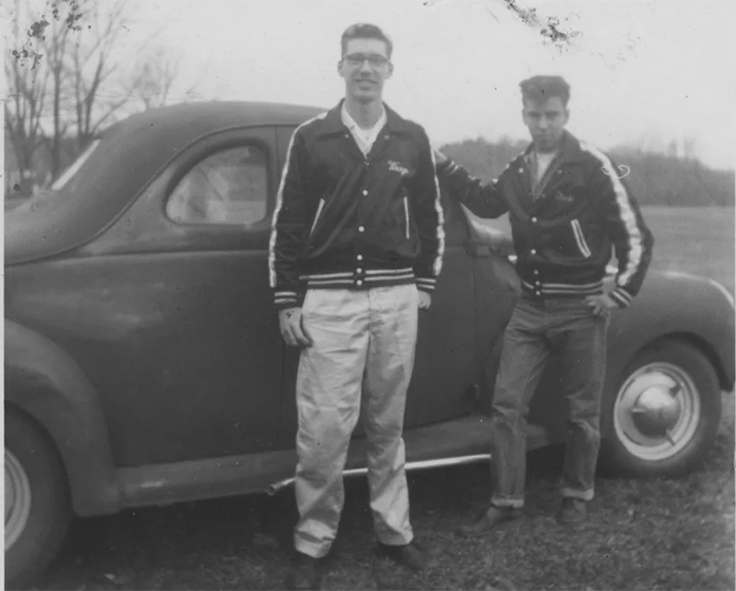
He worked the night shift, so he got to spend daylight hours with fellow hot rod enthusiasts learning how to customize their street cars. His first cars were a '30 Model A and then a ’36 Ford with a Flathead that he built himself. He taught himself how to weld, how to build dashboards, firewalls, and grilles. His imagination knew no limits.
He knew instinctively that his future lay in car design. His mother was an artist and helped him put together a portfolio that got him into the esteemed Art Center College of Design in Southern California in 1963, which helped him hone his design skills and earn a degree in transportation design, which helped him land a job at Ford back in Michigan.
Although he loved the work, he hated the winters, remembering his years in SoCal, so when he heard from some friends about a Southern California firm hiring freelance artists, he was westbound again to California with his wife, Shirley, where he would remain this time.
The work was interesting and varied — “I did everything from Sears tractors to jukeboxes, to new interiors for airlines, graphics on the walls, that sort of thing. In fact, on every L-1011, there’s a logo on the jet engines, and I did that,” he said in a previous interview — but it wasn’t cars.
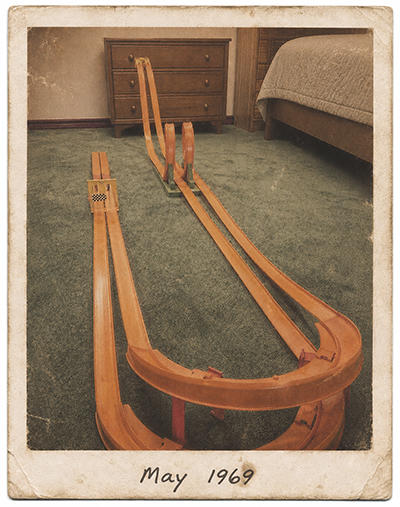
Then something magical happened in 1969.
“One day, a buddy of mine invited me to his house, and he had Hot Wheels set up with that orange track,” he remembers. “I had never seen that before. ‘What the hell is that?’ I asked him. He said, ‘Well, this is what I do. I design Hot Wheels, but I don't want to do Hot Wheels anymore. I'm not a car nut.’ I said, ‘Well, if you ever want somebody else to take over …’ and he says, ‘I'll get you in for an interview,’ and that's how it started."
That guy was Howard Rees, and he wanted to work instead on Mattel’s Matt Mason astronaut toys, a line that did not achieve the success and longevity that Hot Wheels enjoyed.
“I just went in and interviewed, and I don't know if they knew it, but I was the perfect person for the job, so it worked all the way around,” said Wood, in one of the understatements of all time.
The Hot Wheels story
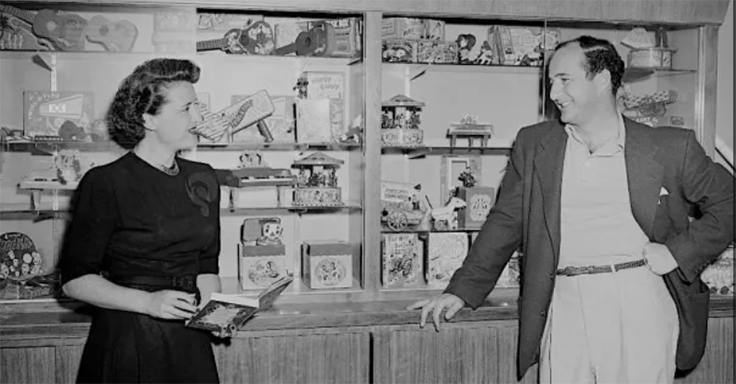
More than 20 years before the first Hot Wheels car rolled off the assembly line, Mattel was founded in 1945 by Harold "Matt" Matson and the husband-and-wife duo of Elliott and Ruth Handler. The name "Mattel" is a combination of "Matt" and "Elliott.” Matson, suffering from ill health, sold his shares to the Handlers a year later. They focused first on doll furniture and, in 1959, came up with their signature hit, the Barbie doll.
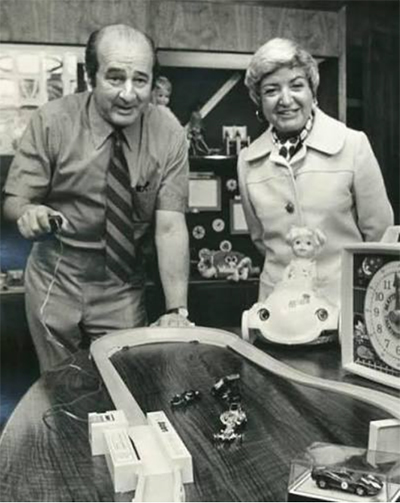
Barbie was (and still is) a huge hit for Mattel, and Elliott, like Wood, a graduate of the Art Center, went looking to create the ultimate must-have boy’s toy, which he correctly deduced should not only be car-related but exaggeratedly car-related: big tires, superchargers, wild paint schemes, and even wilder designs. The initial Hot Wheels team featured Harry Bentley Bradley, a respected custom car and former General Motors designer, and Jack Ryan, a former aerospace engineer.
Wood remembers, “The story, as I was told by a very good friend of mine, is that he was told by Elliott Handler to go out and buy all the diecasts he could find back in ’65 or ‘66, and they put them all on the walls, and the marketing people and Elliott came in and said, ‘OK, this is what our competition is. What are we going to do differently?’ That's what started it.
“Elliott wanted to make them faster and roll better and look brighter, you know, because California Custom was the whole famous thing at the time. Nobody thought it would actually sell, because Matchbox had everything wrapped tight."
The secret to making the cars faster involved polished steel wire axles inserted into Delrin plastic bushings and attached to low-friction plastic tires. The indelible brand name reportedly came from a comment that Handler made when he saw the first results: "Those are some hot wheels!” The name stuck.
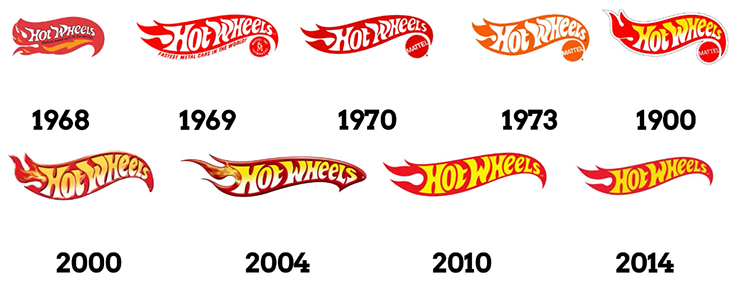
The famed Hot Wheels logo — featuring the bold, stylized “Hot Wheels” text with a dynamic flame — was created by Otto Kuhni, who worked as a graphic designer for Mattel for more than 40 years and in 2012 earned a place in the Diecast Hall of Fame. Kuhni created the primary logo design and much of the early packaging artwork, choosing a custom bold italic font. Rick Irons, another Mattel artist, is frequently credited specifically with designing the flame logo element. As you can see, it has continued to evolve over the decades.
The iconic U-shaped orange track has its own legendary origin. The design team wanted a track that was flexible, inexpensive, easy to ship, and would keep the cars from flying off the track, and someone noticed that the U-shaped vinyl weather seal used on the bottom of garage doors had almost the perfect cross-section. They turned it upside down, and it naturally cradled the wheels while allowing the car body to clear the track.
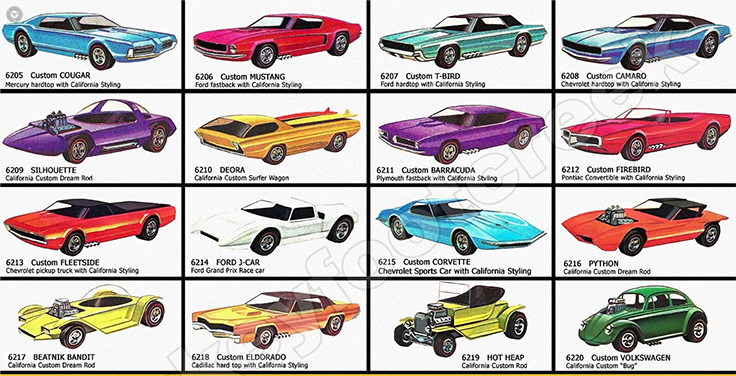
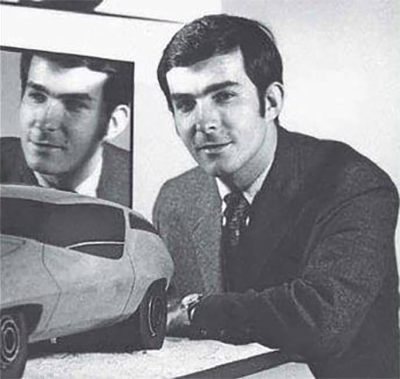
Bradley created the majority of the original “Sweet 16” in 1967, a collection that included many basic street versions of cars, but also iconic versions like the Silhouette, Beatnik Bandit, Python, Deora, and the Custom Fleetside.
The Fleetside was loosely modeled after Bradley's own '66 El Camino. One of the trademark features on all of them were the "redline" tires, which were popular real-life factory options on muscle cars such as Firestone Wide Oval Redlines, Goodyear Polyglas Redlines, and B.F. Goodrich Silvertown Redlines. The redlines on Bradley's ElCo were mounted on five-spoke wheels that also became a Hot Wheels staple. The cars were officially unveiled May 18, 1968.
There were many doubters inside Mattel that the cars would sell, but, according to Wood, after their display at Toy Fair in New York in 1968, "Sears ordered 10 million, or something like that, and changed their mind.”
Bradley left Mattel to return to the auto industry and was replaced by Ira Guiford, who came the other way from Detroit. Guiford designed the iconic TwinMill machine.
“Harry actually started the whole thing, and then there were a couple of guys ahead of me that just lasted a few months, or six months, or so, and then I came in, and I was there for the next 20 years,” Wood noted.
A perfect fit
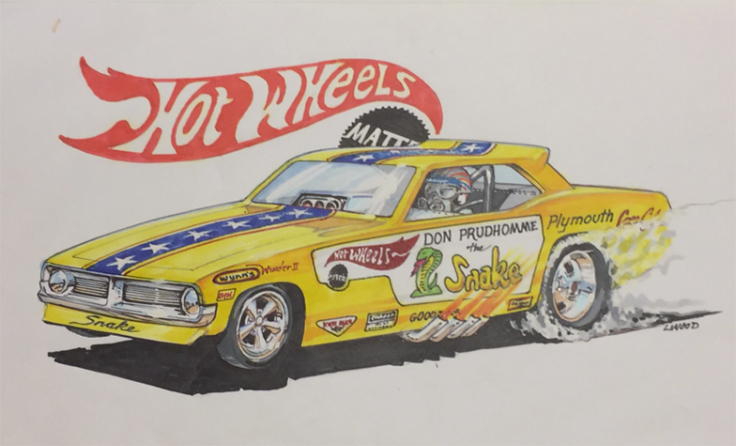
Not long after he arrived at Mattel, Wood got his first major assignment: the new Hot Wheels Funny Cars.
Wood recalled, “They told me, 'Go meet these guys, go find the cars and make them into Hot Wheels.’ The deal had already been struck, and by that time, they had already built cars, so I had to measure and take pictures and do all the drawings to get the car to the actual size so we could make the cars right."
As a longtime drag racing fan and a regular at nearby Lions Drag Strip (the Mattel headquarters was just a few miles up the 405 Freeway from Lions in Hawthorne, Calif.), what could be better?
“Are you kidding? To be actually working with a real race car and racers was pretty neat,” he said, clearly still enthralled with the notion.
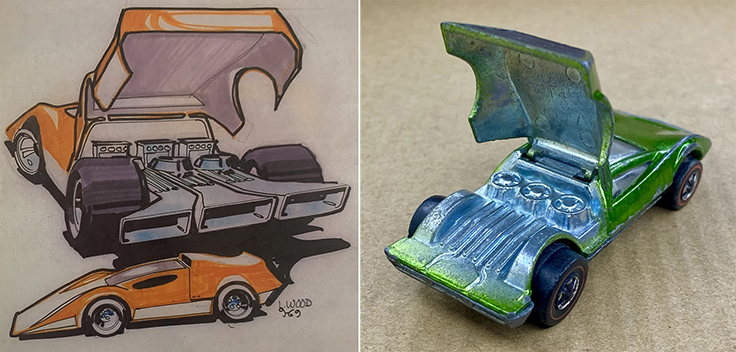
Another of Wood’s iconic first cars was the Tri-Baby, a sleek machine with three rear-mounted engines.
"Years later, I was going through my Art Center portfolio, and I had some drawings in there from Ford, and one of the drawings at Ford was that car. I had drawn it up as just a fun proposal, but it was in my mind all those years. I never thought about it, and I went and did it for Hot Wheels, and later I found out that I actually designed it at Ford.”
And a perfect environment
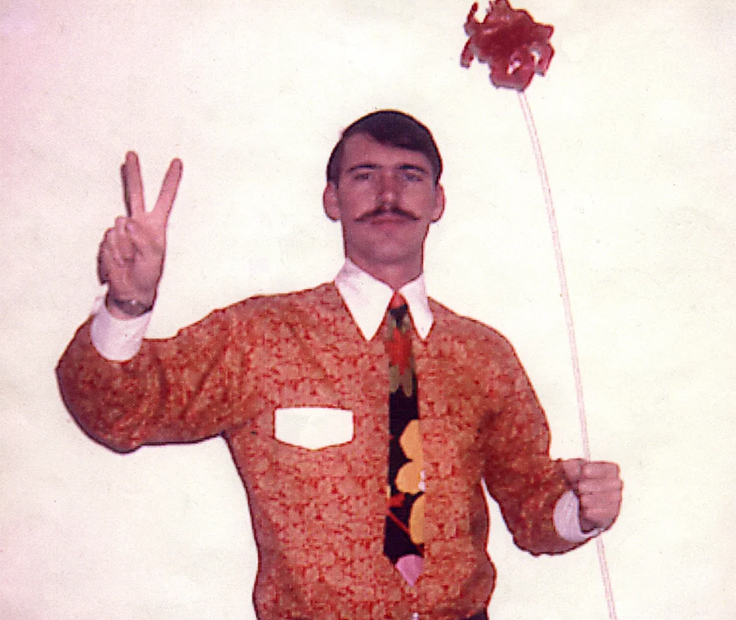
“The cool thing about designing Hot Wheels cars was that I had come from Detroit, where you had to draw a guy with a hat on in the car and the car had to have leg room and everything else, and at Hot Wheels, you could do anything. You didn't even have to have room for a driver, let alone leg room. I had to crank out x amount of cars a year. We did all sorts of different designs. The marketing guys weren't car people to begin with, so it was pretty loose on what I could do for many years. I think probably 80% of the cars that I proposed became Hot Wheels.”
And the crazy names? Rip Snorter. 3-Squealer. Grass Hopper. Jack Rabbit Special. Whip Creamer. Noodle Head?
“We had a guy, a real character, who named the cars,” said Wood. “The one thing about Mattel is that there were a lot of weird characters that worked there. But the girls all wore miniskirts, and, of course, they all thought they were Barbie, so it was a great place. We had 75 women as Barbie and one Hot Wheels guy, so the ratio was wonderful.”
Ups and downs
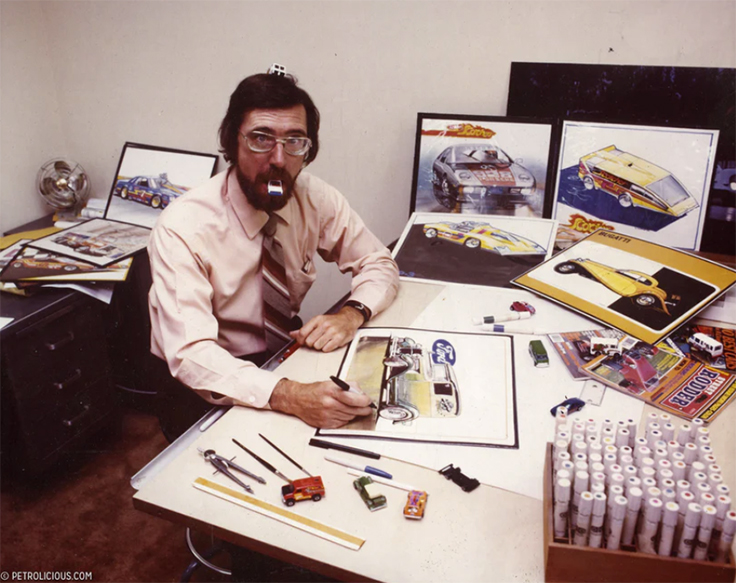
“I was the only guy there, so as long as they were going to do Hot Wheels, it was going to be me, and there were a few times that they were going to drop Hot Wheels, because it usually only lasts like three years,” he said.
After the late 1960s and early 1970s boom, sales slowed dramatically.
“Things started to slow down, and they took the red line off the [tires], they tried to make them cheaper, did a couple other things, and then Mattel got into legal problems [with General Motors for scooping them on the '84 Corvette redesign], and that hurt, too,” he said. “There were a few times that I didn't think I was going to keep my job, but good old Barbie saved us many times.
“When Hot Wheels started to die off, nobody wanted to work on Hot Wheels, then when it started coming back [in the mid-1990s], it was just the opposite; everybody wanted to put their two cents in, and now those poor guys, they're cranking out hundreds and hundreds of models, and they have to get the approvals, and now they have five marketing guys, and they're making like six million cars a week now.
“When I arrived at Mattel, the assembly plant was at the back half of the building and pretty minimal; that's why they went to Hong Kong and started building them, just to keep up with everything.”
My favorite car is …
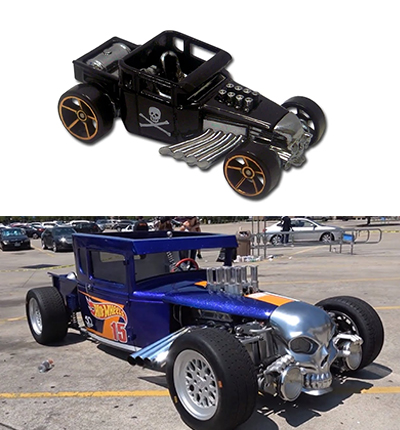
“My favorite car is probably the Bone Shaker, and there are two full-size versions that were built and went on tour,” said Wood. According to the Hot Wheels wiki (41.5 million registered users!), “Bone Shaker is a rat rod … featuring a distinctive skull on its front …. Featuring both closed- and open-roof versions and even a version with the Joker's face instead of the skull, the Bone Shaker has spawned numerous additional derivatives, with alternative takes on the iconic design.
“A real-life version of Bone Shaker was created by Action Vehicle Engineering in 2011. It is built on a Cobra tube-frame chassis to perform drifting and other action driving stunts. It has a 383 ci [cubic inch] Chevrolet small-block stroker engine. A second life-size Bone Shaker was also built by AVE and was shipped overseas.”
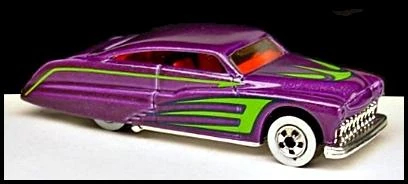
“The other was Purple Passion,” continued Wood. “It was a ‘49 Merc, lowered with skirts on it. It was special because it was the first Hot Wheel without the wheels on the outside of the car, and it doesn't work on any track. I talked them into doing the car because I said, 'I think there's a collector base out there,' and that really started the Collector line, which I ended up running for years, and that was probably the most fun time, because the cars could be accurate and I had a lot of money to spend on them.”
Driving off into the sunset
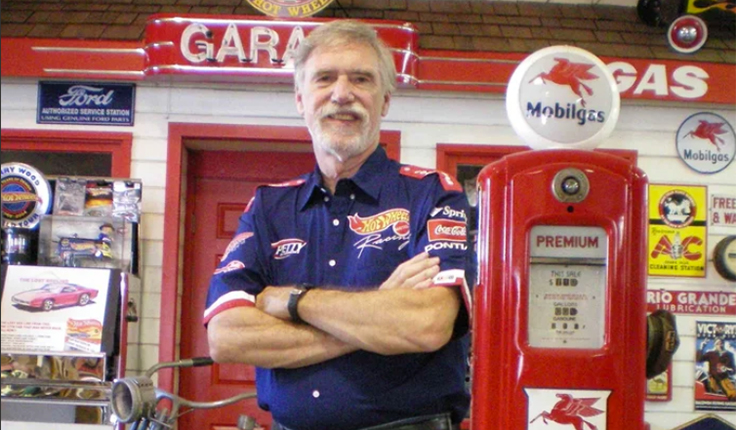
In 2009, after 40 years, Wood retired as the full-time chief designer of Hot Wheels in 2009, but he continued as a consultant and brand ambassador until 2019, when he officially retired after 50 years with the brand.
He was inducted into the Hot Wheels Hall of Fame in 2003, the Model Car Hall of Fame in 2009, the West Coast Kustoms Hall of Fame in 2019, the Pop Culture Hall of Fame in 2021, and the Automotive Hall of Fame in 2023.
Although he has battled health issues recently that have precluded his normal attendance at Hot Wheels conventions, he still loves going.
“It's just one of those things that you never thought anybody would care, and all of a sudden you’ve got a whole pile of people standing in front of you and want your autograph,” he marveled. “What I really enjoy is people telling me that I inspired them, either to be artists or hot rodders. I was watching Roadkill, and they've actually built two cars where they showed a Hot Wheel and said, ‘This is the reason we did this car,’ so I thought that was pretty cool.”
Although Wood is officially retired, he did tell me that Hot Wheels recently asked him to design a new car for them, and it’s another Funny Car, but he couldn’t say much more.
“It's [modeled after] a real car,” he hinted. “Well, it's kind of a real car. It'll be cool in the next six months or so, and when and if it comes out, I'll let you know.”
From all of us young hot rodders who got our first taste of car ownership and drag racing from the fertile mind of Larry Wood, we thank you, sir.
Phil Burgess can be reached at pburgess@nhra.com
Hundreds of more articles like this can be found in the DRAGSTER INSIDER COLUMN ARCHIVE
Or try the Random Dragster Insider story generator