

-
Bandimere, Whiteleys to be inducted into Colorado Motorsports Hall of Fame
-
Drag Racing Association of Women opens applications for new board members
-
Stampede of Speed brings Texas-sized showdown to Texas Motorplex
-
Watch the Division 3 Lucas Oil Series race from St. Louis for free on NHRA.tv
-
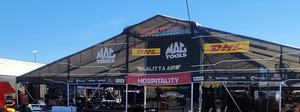
How Kalitta Motorsports elevates its hospitality experience with Deecell
-
-
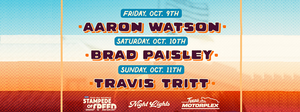
Blockbuster stars set for Stampede of Speed Texas Music Festival
-
Unofficial Mission Foods points standings
-
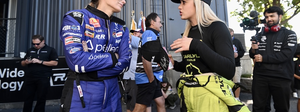
The faces of prerace: See the Sunday intensity building at the Napa Auto Parts NHRA Midwest Nationals
-
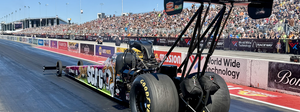
World Wide Technology Raceway sells out for sixth consecutive Saturday
-
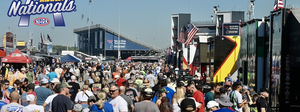
15th annual NAPA Auto Parts NHRA Midwest Nationals Friday preview
-
Kelly Clontz welcomes back partner ArchKey at NHRA Midwest Nationals

-
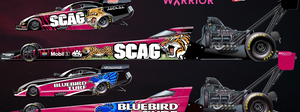
Scag Racing goes pink at NHRA Midwest Nationals for Breast Cancer Awareness
-
NHRA announces new media rights agreements with FOX Sports, The CW Network, and FloSports
-
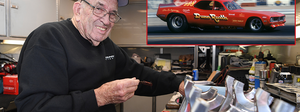
Funny Car legend Jim Dunn to be inducted into West Coast Motorsports Hall of Fame
-
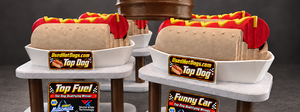
“Top Dog” competition highlights Friday night qualifying in St. Louis
- ad
-
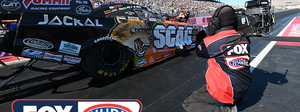
NAPA Auto Parts NHRA Midwest Nationals set for football-adjacent FOX broadcast
-
Sellout crowd at debut NHRA Nationals at The Rock
-
Last Driver Standing low qualifier bonus coming to NHRA Nationals at The Rock
-
September issue of National Dragster jam-packed with NHRA race results

-
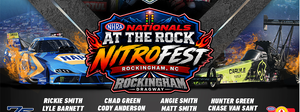
Rockingham NitroFest fan event kicks off NHRA Nationals at The Rock
-
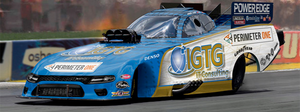
IGTG, Perimeter.One join Paul Lee Racing as primary sponsor at The Rock
-
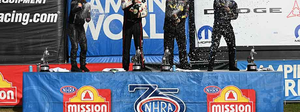
Langdon, Vandergriff, Coughlin, and Hall claim inaugural Michigan titles
-
Persistent weather postpones Dodge NHRA Great Lakes Nationals racing until Monday
-
Schedule adjustment for today's Dodge NHRA Great Lakes Nationals—Optimistic for 4 p.m. start time
-
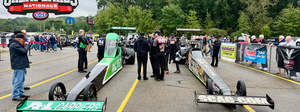
Saturday preview: Dodge NHRA Great Lakes Nationals presented by Mopar
- ad
-
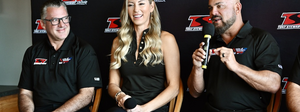
Watch the press conference: Tony Schumacher to join Tony Stewart Racing as Leah Pruett steps out of seat for 2027
-
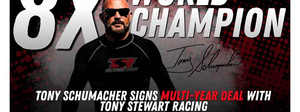
Tony Schumacher signs multi-year deal with Tony Stewart Racing
-
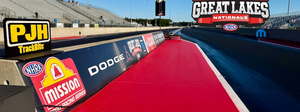
Friday preview: Dodge NHRA Great Lakes Nationals presented by Mopar
-
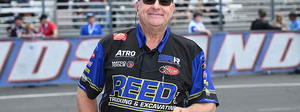
Rick Ware Racing announces addition of crew chief Rob Wendland
-
Brown named Founding Motorsports Ambassador for Prostate Cancer Connection

NHRA expands Pro Stock competition with Ford and Dodge engine parity initiative
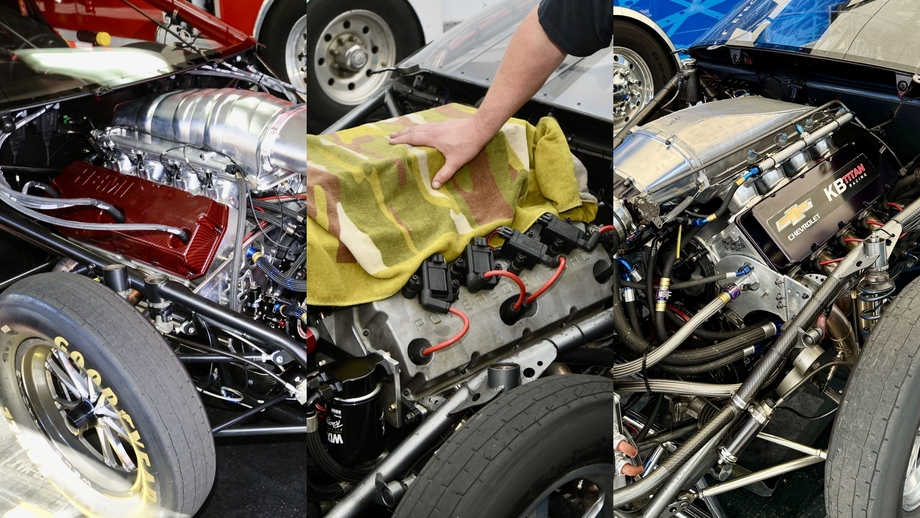
In a move designed to strengthen competition and reintroduce manufacturer diversity, the NHRA has announced a significant evolution in Pro Stock rules, opening the category further to Ford and Dodge combinations with a targeted performance adjustment.
Beginning at the NHRA 4-Wide Nationals, April 23–26, 2026, competitors campaigning Ford- and Dodge-powered entries in matching brand body styles will be permitted to operate at an increased engine speed limit of 11,000 rpm—500 rpm higher than the current Chevrolet DRCE combinations that are permitted to power any brand of Pro Stock race car.
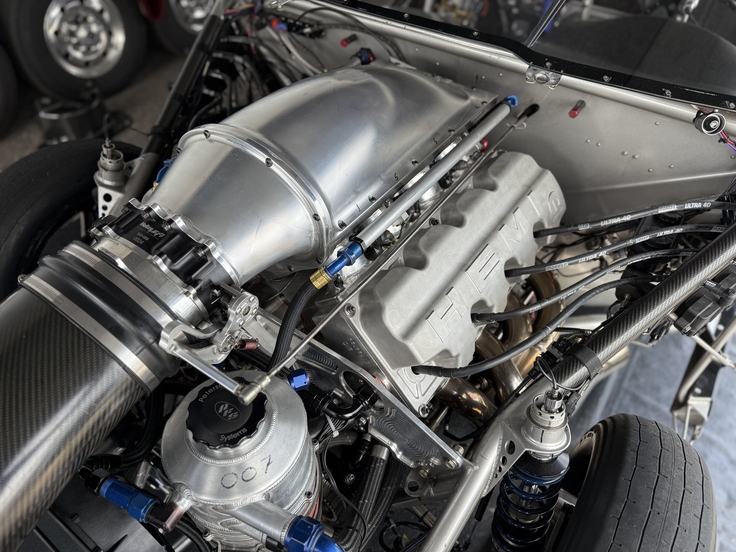
This adjustment represents a strategic step by NHRA to foster parity in the modern EFI era of Pro Stock, where engine development and electronic controls have become increasingly refined. By allowing Ford and Dodge combinations additional engine speed, NHRA is creating a pathway for those platforms to more closely match the performance envelope established by the category’s dominant Chevrolet combinations.
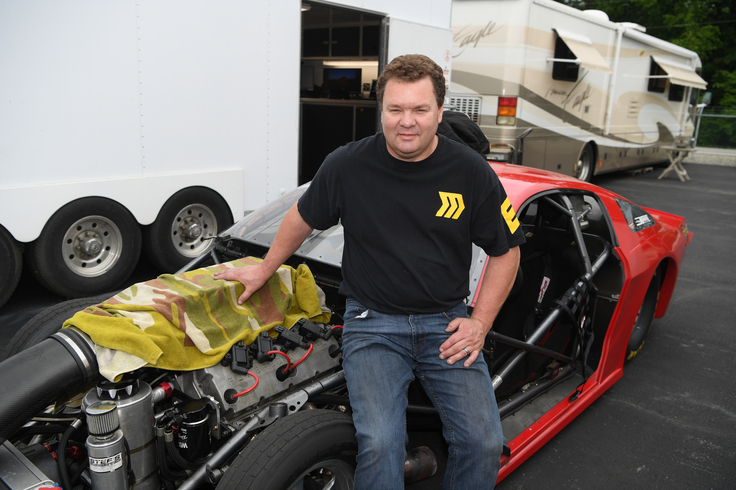
The rule builds on the NHRA’s broader philosophy of encouraging technical diversity while maintaining competitive balance. Since the introduction of electronic fuel injection in 2016, Pro Stock engines have operated under a standardized rpm limit, a shift that, over time, may have impacted the competitive viability of certain non-Chevrolet combinations. The new adjustment acknowledges those dynamics and introduces a forward-looking solution aimed at leveling the playing field.
“This is about creating opportunity,” said NHRA Tech official Rick Dodge, who was intimately involved in the rulemaking process. “We want to see more brands represented, more innovation in engine development, and ultimately, more competitive racing for teams and fans alike.”
Under the revised framework, eligibility for the increased rpm limit is tied directly to brand alignment—Ford engines in Ford-bodied cars and Dodge engines in Dodge-bodied entries—reinforcing manufacturer identity within the class while supporting performance gains.
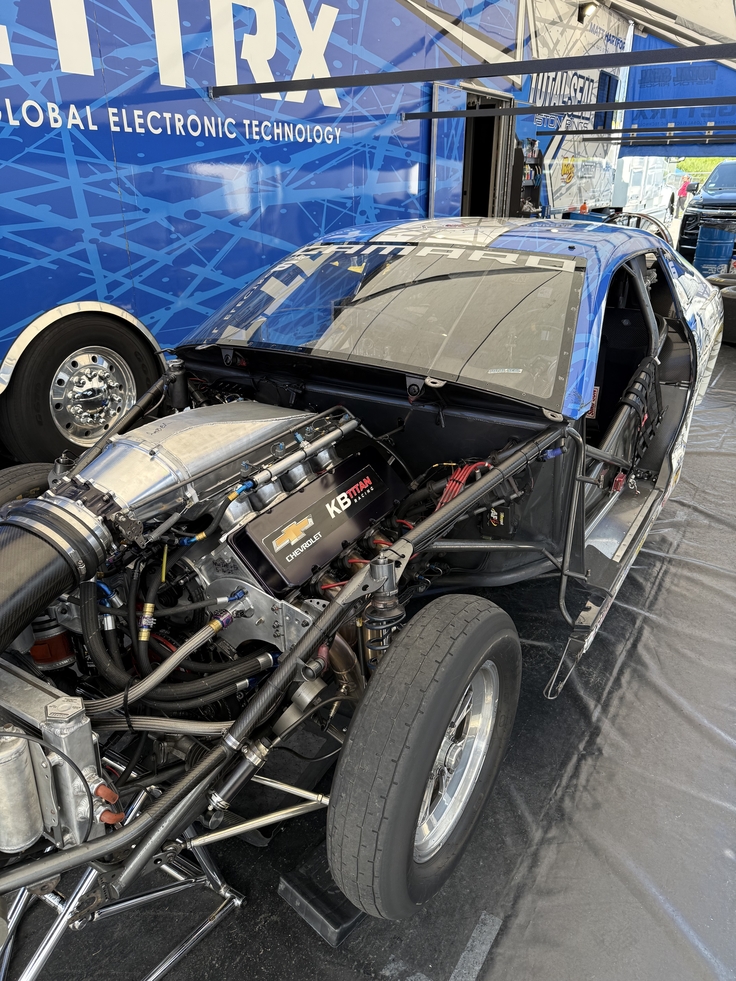
The NHRA Technical Department has validated the change through testing and will continue to monitor compliance closely, including ECU calibration and firmware usage, to ensure a fair and consistent application across the category.
The move also signals a renewed opportunity for teams with existing Ford and Dodge equipment and parts to return to competition or expand their programs. With proven engine combinations and components already in circulation and additional interest from teams exploring alternative platforms, the expectation is that this change could lead to increased participation and a more varied Pro Stock field in the near future.
What is the Chevrolet DRCE Engine Anyway?
More broadly, the adjustment reflects NHRA’s continued commitment to evolving the sport while preserving its competitive integrity. By embracing a parity-driven approach, the National Hot Rod Association is positioning Pro Stock for a future that includes greater manufacturer involvement, enhanced fan interest, and a deeper technical narrative across the class.
As the season continues and teams prepare for Charlotte, the impact of this rule change will begin to take shape—potentially marking the beginning of a new era in Pro Stock competition.