

-
October issue of National Dragster packed with championship points action

-
Legendary world championship-winning nitro tuner Leonard Hughes passes away
-
VizionOne's Grunt of the Race program awards NHRA nitro crewmembers
-
Texas FallNationals Fan Fest will deliver a galaxy of NHRA stars
-
NHRA Countdown to the Championship hits halfway point in dramatic fashion
-
-
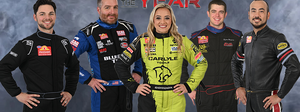
2026 NHRA Rookie of the Year candidates announced
-
Teams of Langdon, Beckman, Anderson, Angie Smith lead Crew of the Year battle
-
JEGS Allstars preview: A closer look at each of the contenders in each class
-
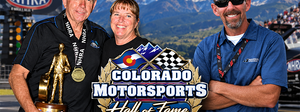
Bandimere, Whiteleys to be inducted into Colorado Motorsports Hall of Fame
-
Drag Racing Association of Women opens applications for new board members
-
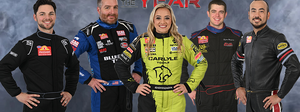
Rating the challengers for the 2026 NHRA Rookie of the Year award
-
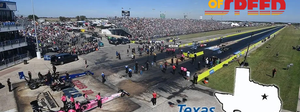
Stampede of Speed brings Texas-sized showdown to Texas Motorplex
-
Watch the Division 3 Lucas Oil Series race from St. Louis for free on NHRA.tv
-
How Kalitta Motorsports elevates its hospitality experience with Deecell
-
Blockbuster stars set for Stampede of Speed Texas Music Festival

- ad
-
Unofficial Mission Foods points standings
-
The faces of prerace: See the Sunday intensity building at the Napa Auto Parts NHRA Midwest Nationals
-
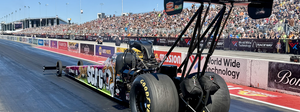
World Wide Technology Raceway sells out for sixth consecutive Saturday
-
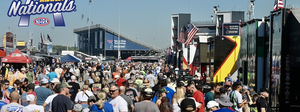
15th annual NAPA Auto Parts NHRA Midwest Nationals Friday preview
-
Kelly Clontz welcomes back partner ArchKey at NHRA Midwest Nationals

-
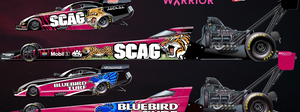
Scag Racing goes pink at NHRA Midwest Nationals for Breast Cancer Awareness
-
NHRA announces new media rights agreements with FOX Sports, The CW Network, and FloSports
-
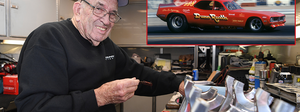
Funny Car legend Jim Dunn to be inducted into West Coast Motorsports Hall of Fame
-
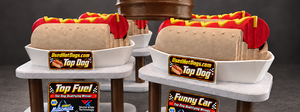
“Top Dog” competition highlights Friday night qualifying in St. Louis
-
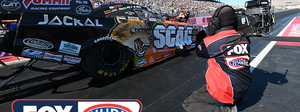
NAPA Auto Parts NHRA Midwest Nationals set for football-adjacent FOX broadcast
- ad
-
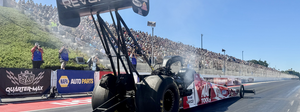
Sellout crowd at debut NHRA Nationals at The Rock
-
Last Driver Standing low qualifier bonus coming to NHRA Nationals at The Rock
-
September issue of National Dragster jam-packed with NHRA race results

-
Rockingham NitroFest fan event kicks off NHRA Nationals at The Rock
-
IGTG, Perimeter.One join Paul Lee Racing as primary sponsor at The Rock
Five things we learned in Indy
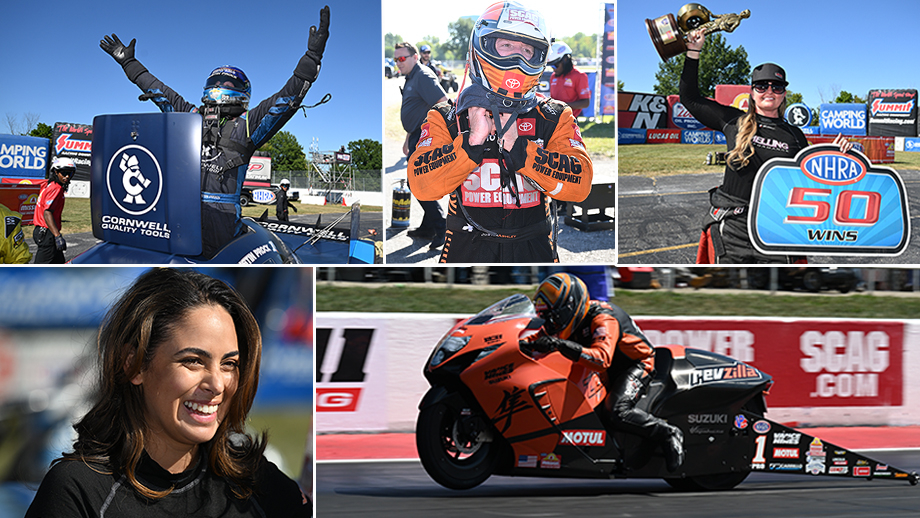
Since the Cornwell Quality Tools NHRA U.S. Nationals is an event that lasts nearly a full week, there is plenty of time for learning and, oh boy, did we learn a lot this year. From the start of Sportsman qualifying on Wednesday to Monday’s final eliminations, the attention of the drag racing world is focused on historic Lucas Oil Indianapolis Raceway Park. We learned many things, and here are five of our favorites.
AUSTIN PROCK IS DOING THINGS THAT HAVEN’T BEEN DONE IN A WHILE
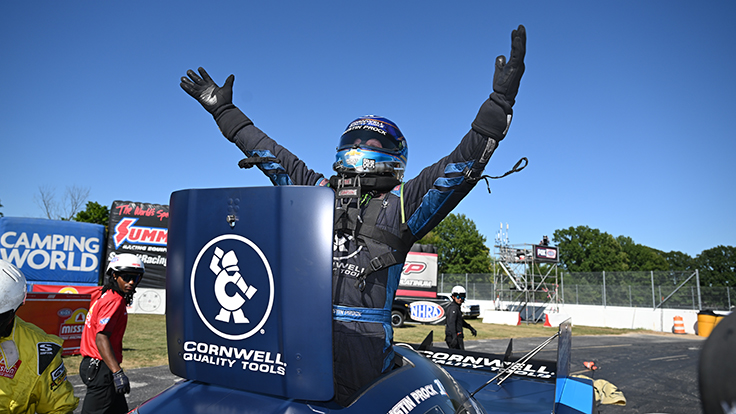
It may not seem like it at times, but there is parity in the Funny Car class. You want proof? There have been seven different winners this season in 14 events, and racers such as rookie Spencer Hyde have also made it to final rounds.
Then again, there is Austin Prock, who has done most of the winning this season with seven victories, including the Cornwell Tools NHRA U.S. Nationals, so yes, there have also been periods of domination.
Prock is dismantling the Funny Car class in a way that hasn’t been seen since his boss, John Force, began to rule the roost in the early 1990s. During his most dominant years, Force often scored double-digit wins, and there is every chance Prock bags 10 or more this season.
Prock’s second Indy win might just be one of his most dominant. While he didn’t qualify No. 1, he did just about everything else. In fact, if you are friends with Prock and are in need of a loan, this might be a good time to hit him up as he banked more than $330,000 for winning the event and clinching the regular-season title. It was easily one of the most profitable single events for any driver in the sport.
Prock’s once massive championship lead will shrink to almost nothing the next time he hits the track in Reading, but that won’t make him any less of a favorite to capture a second straight championship. He was good when he drove a Top Fuel dragster, but behind the wheel of a nitro Funny Car, Prock is already borderline legendary.
A MOTIVATED HERRERA IS A DANGEROUS HERRERA
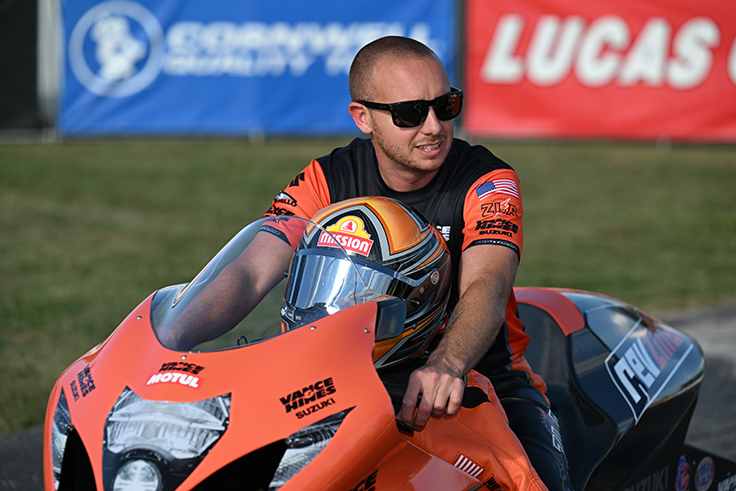
Even when he’s not the favorite, Gaige Herrera is the favorite. Heading into the Pro Stock Motorcycle final, the 30th of his career, Herrera faced a slight performance deficit to Brayden Davis in an all Vance & Hines final round. He didn’t panic. He didn’t flinch. He simply found a way.
So, what happened? Without lane choice and facing a young kid hungry to prove himself, Herrera dug deep and hammered the Christmas Tree with a .003 light and rode to a narrow win. Ironically, Herrera also had a .003 light in qualifying and noted he was more impressed by that than his 6.73-second IRP track record.
The win underscores the fact that Herrera is the complete package. His riding style allows him to get a motorcycle from start to finish in the shortest time possible, but when he needs to, he can also turn up the heat on the starting line. And we haven’t seen a rider this composed on the starting line since the late John Myers. He simply doesn’t get rattled.
The win was the 26th of Herrera’s career in just 45 starts, a statistic that no other racer in the history of the sport can come close to. Herrera, much like Funny Car’s Austin Prock, will be a big favorite to defend his world title, even with the points reset that will all but wipe out an otherwise huge advantage.
YOU DON’T CHOOSE INDY, INDY CHOOSES YOU
There is a comforting feeling that goes with being a low qualifier or a pre-race favorite on Sunday night in Indy, but that sort of confidence can erode on Monday when eliminations begin to unfold at the sport’s biggest event. Upsets have long been a part of Indy lore, and at this event, there is no such thing as a pre-race favorite.
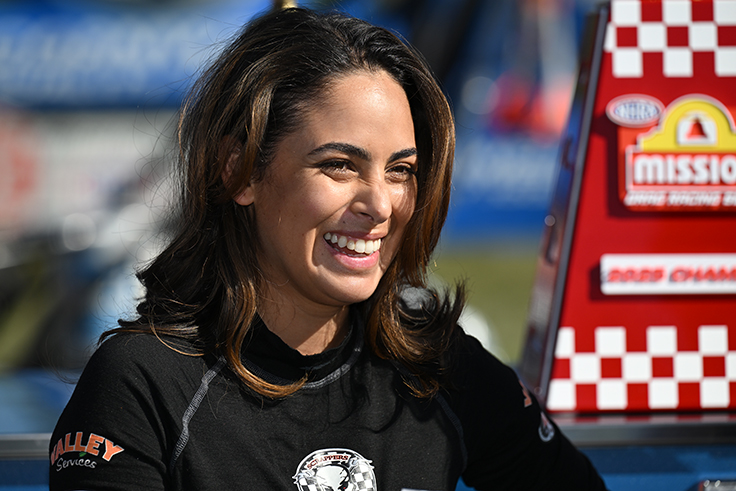
This year’s U.S. Nationals was no different, especially in Top Fuel, where six of eight drivers advanced from the bottom half of the field, including Jasmine Salinas and Tripp Tatum, who each went to the semi’s. Kyle Wurtzel also turned on a win light, and it was hardly a fluke because he ran a career-best 3.766 in his win over Jordan Vandergriff. The success of Salinas was particularly rewarding because she has been out of the seat for a couple of months after building much early-season momentum.
There were other upsets as Fernando Cuadra Jr. put the brakes on title contender Greg Anderson in the second round of Pro Stock and eventual winner Erica Enders got past regular-season champ Dallas Glenn.
Indy is well known for a history of upsets, first-time winners, and just plain odd occurrences, and even though all four of this year’s champions are proven winners, that mystique remains intact.
THE PRO STOCK COUNTDOWN IS GOING TO BE VERY INTERESTING
The KB Titan Racing team won 10 of the first 12 Pro Stock events of the regular season, including five victories by Greg Anderson and four more by regular-season champion Dallas Glenn. As impressive as that is, it does not ensure success during the Countdown to the Championship playoffs, especially after the rival Elite squad has scored wins in two of the last three races, including Erica Enders’ win at the Cornwell Quality Tools NHRA U.S. Nationals.
Now, we turn our attention to the six-race playoff that is the Countdown to the Championship, and by all accounts, it will be a knock-down, drag-out battle between two teams that have a long history of acrimony. Remember a couple of months ago when Elite and KB Titan team members scuffled on the starting line in Bristol?
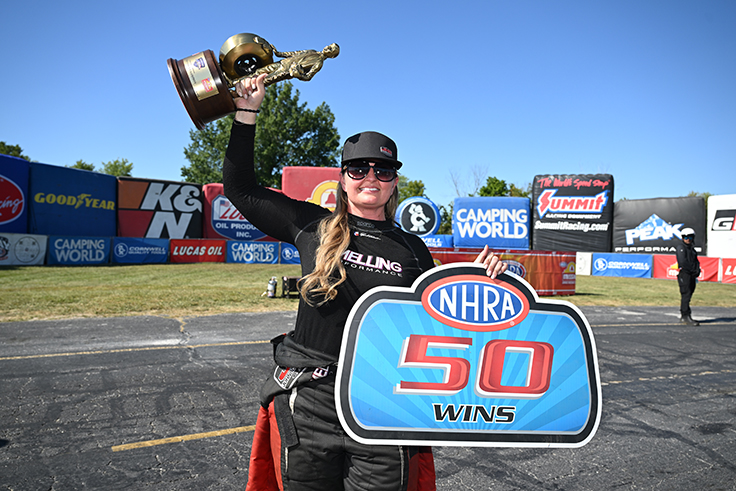
At the core of Elite’s revival is Enders, who ended a long victory drought with her win in Indy. The six-time champ also scored her 50th career win, a mark that few racers in any class have achieved. Enders’s JHG Camaro ran well, and she drove well as she scored her first win of the season. Finishing the regular season in the No. 9 spot, it’s going to be tough for Enders to win a seventh title, but tough doesn’t equal impossible. Going forward, that’s what’s going to make every round of Pro Stock racing worth watching for the next six events.
THE SECRET TO JUSTIN ASHLEY’S SUCCESS ISN’T A SECRET, OR IS IT?
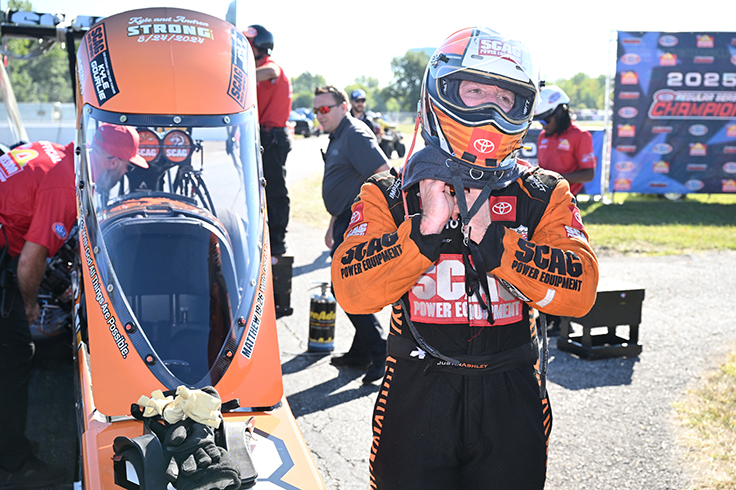
Since the day he first strapped into a Top Fuel dragster, the buzz around Justin Ashley has been his reaction times. He’s not just quick, he’s incredibly consistent with a seemingly nonstop string of lights that are .040 or quicker. It’s the sort of pace that no other driver in the class can currently match with any consistency, and it’s won a lot of races for the Scag team.
The Indy final was a prime example as Tony Stewart put together a very respectable performance with a 3.815 elapsed time and a .053 reaction time, but Ashley was better with a .027 off the starting line and a 3.839 for the win by a margin of just two-thousandths of a second. In other words, if Ashley has a .030 light, he loses, and that’s still much quicker than the class average.
Ashley’s lights on Monday in Indy were nothing short of incredible, .036, .034, .035, and his .027 in the final. As a driver, is he that much better than everyone else? Has the Scag crew hit on some sort of a setup that makes their car react quicker than the rest of the field? Is it a combination of both? Ask around, and you’ll get varying answers, so no one seems to know for sure. As a whole, most of the current crop of nitro drivers are pretty good on the starting line, but at this point, Ashley remains the top dog in the class, and that will likely spell trouble during the Countdown.