

-
Funny Car’s Austin Prock thinking big for Texas-sized shootout
-
Top Fuel rookie Will Smith looks for dream weekend in Dallas
-
Plourd ready to complete bucket-list challenge with Las Vegas Top Fuel debut

-
From Dearborn to the dragstrip: Ford Racing's story began 125 years ago today

-
Behind the Scenes with the winners of the 2026 NAPA Auto Parts Midwest Nationals
-
-
Weekend Rewind: 2026 NAPA Auto Parts NHRA Midwest Nationals
-
Saturday in St. Louis: NAPA Auto Parts NHRA Midwest Nationals photo gallery
-
Could St. Louis bring out the best in Erica Enders once again?

-
Cameron Ferre: Still chasing Top Fuel greatness, just on his own terms
-
Ron Capps thinking big at NAPA Auto Parts NHRA Midwest Nationals
-
Top Fuel’s Shawn Langdon looking for fourth straight win of 2026
-
Behind the Scenes with the winners of the 2026 NHRA Nationals at The Rock
-
Weekend Rewind: The inaugural NHRA Nationals at the Rock
-
Five Things We Learned in Rockingham
-
New venues like Rockingham bring excitement for old pro Ron Capps
- ad
-
That was then, this is now: The Winston Invitational at Rockingham
-
After a near-miss in Michigan, Ingwersen and crew are more inspired than ever
-
Jordan Vandergriff relishes first opportunity to race at Rockingham Dragway
-
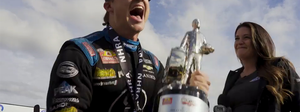
Behind the Scenes with the winners of the 2026 Dodge NHRA Great Lakes Nationals
-
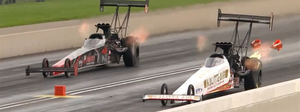
Weekend Rewind: 2026 Dodge NHRA Great Lakes Nationals
-
Five things we learned from the Dodge NHRA Great Lakes Nationals presented by Mopar
-
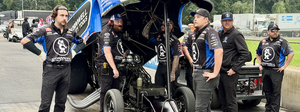
Vandergriff and crew took aim at No. 1 in challenging Michigan conditions
-
Friday Photo Gallery- NHRA makes a monumental return to Michigan
-
Inaugural Dodge and NHRA Tour de Michigan launches historic race weekend

-
Reigning world champ Dallas Glenn gears up for first Countdown race
- ad
-
Stewart, Hagan, Pruett reveal new Dodge Charger Super Bee Purple Haze liveries
-
Behind the Scenes with the winners of the 2026 Cornwell Tools NHRA U.S. Nationals
-
Weekend Rewind: 2026 Cornwell Quality Tools NHRA U.S. Nationals
-
Malcolm Phillips makes his Pro Stock Motorcycle return at Indy
-
No canopy, no problem for Justin Ashley and his crew chiefs
Trial by Nitro: 2026 will be the crew chief challenge of the decade
Before a tire is turned, a burnout is completed, or a Christmas Tree is illuminated, the crew chiefs of the NHRA nitro ranks always have a heavy workload. Many are developing new crew members, assigning experienced people to new roles, ordering parts, and overseeing the nut-and-bolt preparation of a season.
For many seasons, they’d also likely be reviewing the data accumulated over the previous season at a familiar slate of tracks, analyzing performances both good and bad to see what they can build on for an upcoming campaign.
The 2026 preparation for the men and women slinging torque wrenches, handling smoldering clutch discs, and rebuilding blowers and heads may look and feel much the same, but for those select few in the crew chief lounges, it is anything but.
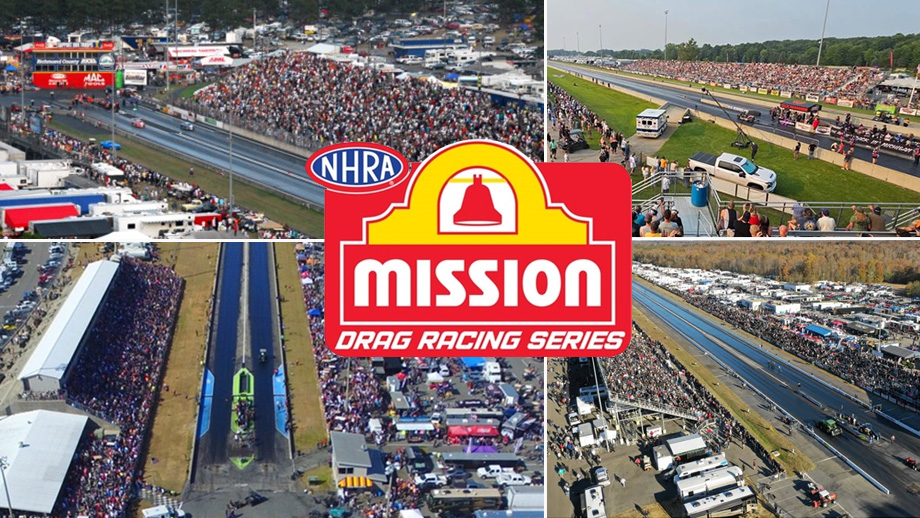
A full 20% of the upcoming series schedule will be contested on new tracks to the modern realm of NHRA Mission Foods Drag Racing competition. They all have exceptional legacies in the sport and have all been the scene of their own memorable moments but none of that matters now.
Performance, adaptation, and success matter in the present tense and with two of the tracks leading off the 2026 Countdown to the Championship, those words ring even more deeply true than ever.
Let’s take a look at the four tracks, what their three-year weather history is on the dates of the 2026 Mission Foods Series national events, and what makes them all notable in specific ways. We’ll take them in order of their appearance on the schedule.
South Georgia Motorsports Park
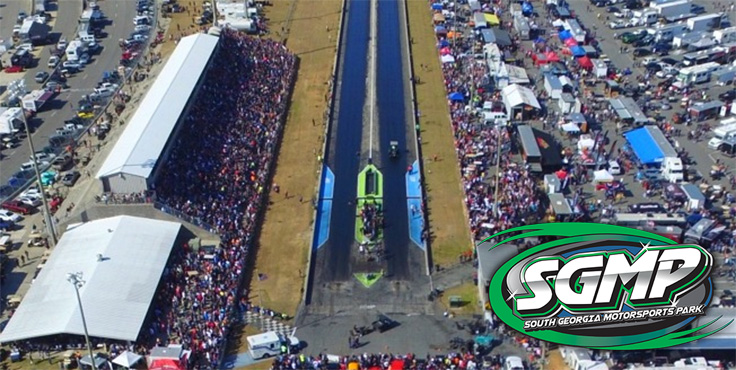
NHRA Southern Nationals, May 1-3
Surface: All concrete
Physical elevation: 230 feet above sea level
Three-year weather averages:
- 82 degrees
- 72.6 water grains
- 2,100 feet average density altitude
Facility legacy and what sets it apart
Of all the additions in 2026, this facility is physically the newest. Opened in 2004 it has a history rooted in the stunning and spectacular. The most famed events at SGMP have come in the form of radial tire events promoted by the bombastic Donald Long. His series of Lights Out and No Mercy races, which stretch back more than a decade and a half have showcased mind-boggling performances, breathtaking moments (earning SGMP the nickname “Home of The Flying Cars”), and highlighted the quality of the all-concrete surface. The track is very long and, when the conditions are right, wholly capable of hanging onto national record-level performances across the board. As the surface sees loads of small tire and radial action, we suspect it will present itself a little tighter than other tracks in terms of the starting line, meaning aggressive crew chiefs may have an early upper hand here. A tentative approach to the new surface may leave some teams in the dust.
The temperature and humidity in South Georgia are wildcards, so more sun and more moisture in the air may tame it some, but this place is a rocket launch pad in our personal experience.
Maryland International Raceway
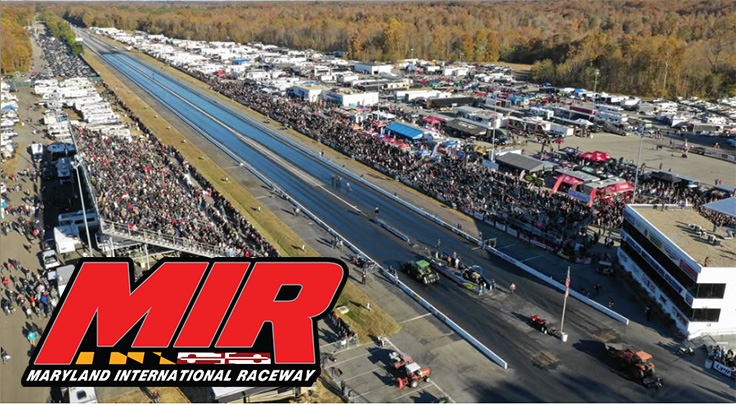
NHRA Potomac Nationals, May 29-31
Surface: Concrete/asphalt hybrid; estimated 300 feet of concrete launch pad followed by asphalt
Physical elevation: 115 feet above sea level
Three-year weather averages:
- 76 degrees
- 65.6 water grains
- 1,652 feet average density altitude
Facility legacy and what sets it apart
Maryland International Raceway is one of the most beloved legacy dragstrips on the East Coast. A track with a long history at the highest levels of the sport, it featured four-wide racing 50 years ago, has been the home to high-profile one-off Pro Stock races over the years, and rewrites the doorslammer history books on a seemingly yearly basis both at the World Cup Finals, a wild multi-national race the facility hosts every fall, as well as in private testing. MIR is currently home to the world’s quickest and fastest full-bodied quarter-mile drag racing time slips and multitudes of class records of this type.
If the forecast does what it has done on these dates for the last three years, those won’t be the only huge numbers they get to brag on. Crew chiefs will be managing the power at the concrete-to-asphalt transition, and the ones who get it right first may be able to gap the field at this first NHRA event in the track’s new era. An educated guess says conservatism will rule the approach out of the gate with the performances wicking up over the course of the race weekend.
U.S. 131 Motorsports Park
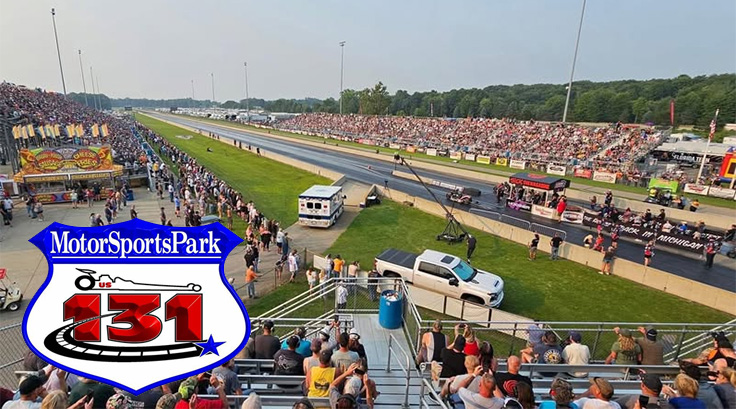
NHRA Great Lakes Nationals, Sept. 18-20
Surface: Concrete
Physical elevation: 755 feet above sea level
Three-year weather averages:
- 80 degrees
- 88.2 water grains
- 2,880 feet average density altitude
Facility legacy and what sets it apart
U.S. 131 Motorsports Park has an incredibly colorful history when it comes to virtually every niche of drag racing history. The famed Popular Hot Rodding Championships was actually considered a quasi-NHRA national event back in the day, awarding half-points to competitors for a time. Some of the richest bracket races ever executed have been at this track, and for a time in recent history, they held the outright Top Fuel speed record, 338.35 mph, made through the quarter mile by the Lagana brothers in 2017.
The weather history indicates that the waning days of summer like to hang on in terms of temperature and humidity, raising the average density altitude to nearly 3,000 feet. That may factor on raceday, but if we are fortunate to have an evening qualifying session here, bar the door. The all-concrete strip is exceptionally well manicured, and when the sun goes down, the density altitude drops like a rock. Bobby Lagana may know this place better than any nitro wrench out there, which sure seems like an advantage to us.
Rockingham Dragway
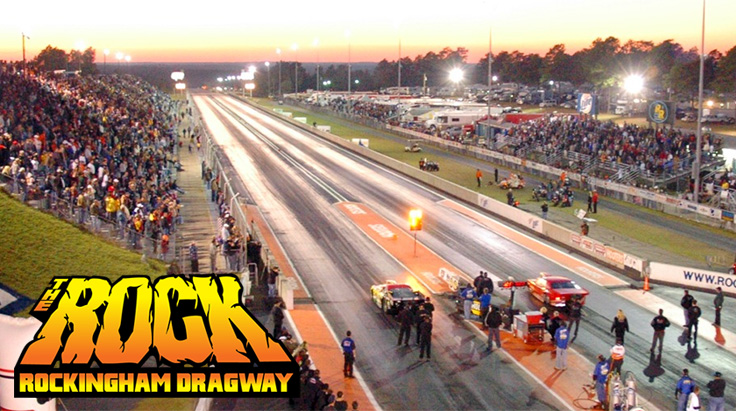
NHRA Nationals At The Rock, Sept. 25-27
Surface: Concrete
Physical elevation: 426.5 feet above sea level
Three-year weather averages:
- 84 degrees
- 115 water grains
- 3,076 feet average density altitude
Facility legacy and what sets it apart
From the races that have been held at “The Rock” to the people who have operated the facility, Rockingham Dragway may be the most interesting addition to the tour from a historical perspective. For about a decade, from the late 1980s into the late 1990s, the track hosted the Winston Invitational. This was a big-money, non-points shootout among the best in NHRA Drag Racing. The track has a huge history in the world of motorcycle drag racing, Pro Modified racing, and good old-fashioned southern match racing as well.
Most important to the topic at hand, though, the crew chiefs will find themselves on a modern, fresh concrete surface that will have been nicely seasoned by thousands of runs from the Spring to the Fall over the track’s busy weekly schedule. The weather trend here is warm with relatively high humidity, so this could mean very tricky tuning windows. The need to run the engine very hard to overcome as much of the humidity as possible while balancing the whole act on the head of a pin to maintain traction on the warm surface could be the advanced calculus of raceday triumph. As this will be the second race of the countdown, even the qualifying sessions will be nail-biters.
Four new tracks to the tour. Four very different places. One a modern marvel of traction and performance and three others legacy plants that have not just been part of drag racing history but have been front-page news in their lives. All four are headed back to headliner status now, and the only major question will surround which of the tuning minds can read the surfaces and apply their own experiences to the best measure among the field in pursuit of a weekend victory and a 2026 world championship.