

-
Behind the Scenes with the winners of the 2026 NAPA Auto Parts Midwest Nationals
-
Weekend Rewind: 2026 NAPA Auto Parts NHRA Midwest Nationals
-
Saturday in St. Louis: NAPA Auto Parts NHRA Midwest Nationals photo gallery
-
Could St. Louis bring out the best in Erica Enders once again?
-
Cameron Ferre: Still chasing Top Fuel greatness, just on his own terms
-
-
Ron Capps thinking big at NAPA Auto Parts NHRA Midwest Nationals
-
Top Fuel’s Shawn Langdon looking for fourth straight win of 2026
-
Behind the Scenes with the winners of the 2026 NHRA Nationals at The Rock
-
Weekend Rewind: The inaugural NHRA Nationals at the Rock
-
Five Things We Learned in Rockingham
-
New venues like Rockingham bring excitement for old pro Ron Capps
-
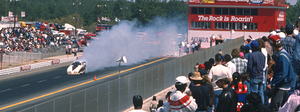
That was then, this is now: The Winston Invitational at Rockingham
-
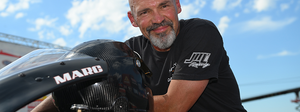
After a near-miss in Michigan, Ingwersen and crew are more inspired than ever
-
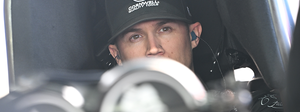
Jordan Vandergriff relishes first opportunity to race at Rockingham Dragway
-
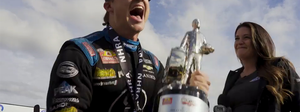
Behind the Scenes with the winners of the 2026 Dodge NHRA Great Lakes Nationals
- ad
-
Weekend Rewind: 2026 Dodge NHRA Great Lakes Nationals
-
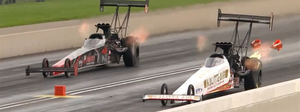
Five things we learned from the Dodge NHRA Great Lakes Nationals presented by Mopar
-
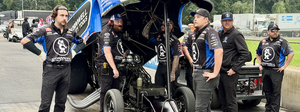
Vandergriff and crew took aim at No. 1 in challenging Michigan conditions
-
Friday Photo Gallery- NHRA makes a monumental return to Michigan
-
Inaugural Dodge and NHRA Tour de Michigan launches historic race weekend
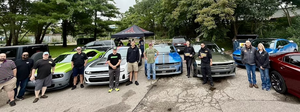
-
Reigning world champ Dallas Glenn gears up for first Countdown race
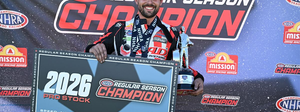
-
Stewart, Hagan, Pruett reveal new Dodge Charger Super Bee Purple Haze liveries
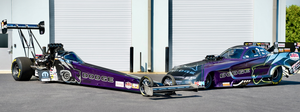
-
Behind the Scenes with the winners of the 2026 Cornwell Tools NHRA U.S. Nationals
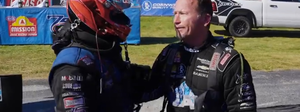
-
Weekend Rewind: 2026 Cornwell Quality Tools NHRA U.S. Nationals
-
Malcolm Phillips makes his Pro Stock Motorcycle return at Indy
- ad
-
No canopy, no problem for Justin Ashley and his crew chiefs
-
Prock Indy three-peat would make U.S. Nationals Funny Car history
-
Howey returns to Indy with his eyes on a Top 10 berth
-
Nataas looks to add to previous Indy success story
-
Outlaw Street's Paige Coughlin looks to add a Wally to extensive family collection
Five things we learned from the NHRA Reading Nationals
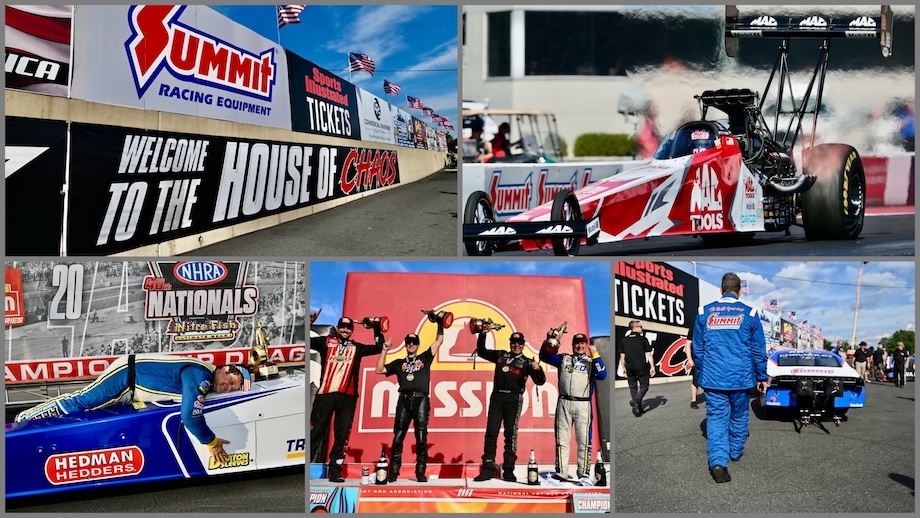
In the rolling hills of Pennsylvania, nestled between streams and winding roads, Maple Grove Raceway always feels like a postcard. It’s a place where the air hangs heavier after Labor Day, where the sounds of superchargers echo off farmland and small towns, and where every September the sport takes its first deep breath after the relentless marathon that is the Cornwell Quality Tools NHRA U.S. Nationals in Indianapolis.
But if Indy is a wedding—the largest, longest, loudest wedding in drag racing—then Reading is the honeymoon. It’s only four days long. The weather is often idyllic. The paddock feels personal. It lulls you into thinking you can finally exhale.
And then, just like that, it all explodes.
That’s what happened at the 40th annual NHRA Reading Nationals presented by Nitro Fish. After three days of what felt like a predictable qualifying order, Sunday became one of the most chaotic, emotional, and unforgettable race days of the 2025 season.
Here’s what we learned.
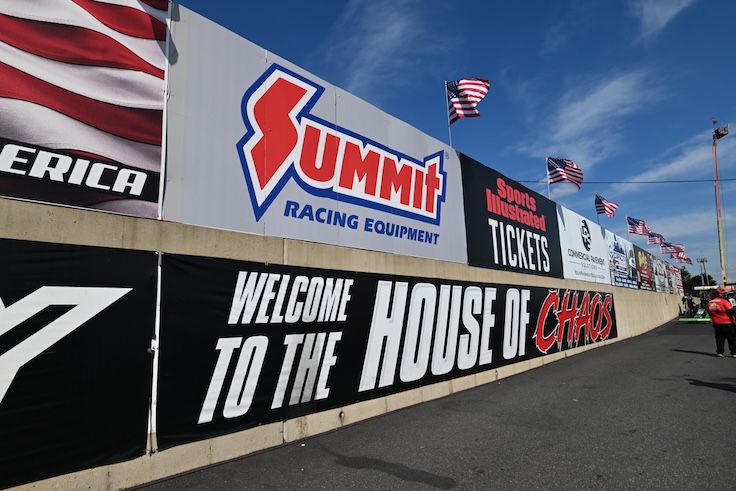
1. Maple Grove Is the Honeymoon That Turns on a Dime
The week after Indy always feels like a come-down. Drivers and teams spend months preparing for the U.S. Nationals—hundreds of runs, thousands of hours, and millions of dollars all for one race—and when it’s over, they’re left wrung out. Reading is where they regroup. It’s intimate, and the vibe is deceptively calm.
But this year reminded us that Maple Grove always swings wildly. They call it the House of Chaos for a reason, and as a drag race fan, you should know—there's no such thing as coincidence. After a qualifying slate that looked acceptably textbook, Sunday became a highlight reel of unpredictability. Collisions, holeshot wins, upsets, and heroic recoveries—Reading reminded everyone that nothing is guaranteed when Countdown pressure mixes with cool fall air.
2. Doug Kalitta Is Our Neil Armstrong
If there’s a driver who embodies grit, it’s Doug Kalitta. He’s the quiet constant in a sport built on noise—a racer who never flinches no matter what gets thrown at him. Wins. Losses. Championships. Or crashes. You can always expect the same reaction from Kalitta. When his dragster collided with Tony Stewart in one of the most startling incidents of the season, Kalitta walked away and got ready for what’s next. A front wheel failure caused the highest-speed open-wheel collision the likes of which IndyCar and F1 drivers could never even imagine—and Kalitta, like the first man on the moon Neil Armstrong, kept it all in perspective and the incident will go down as a masterpiece of safety success.
Less than an hour later, Kalitta, and his Mac Tools Top Fuel spare dragster were back on the starting line to defeat Steve Torrence with a quicker reaction time, a better e.t. and a faster top speed. Incredible!
That’s who Doug Kalitta is: methodical, undaunted, and perpetually climbing. Like an Armstrong figure planting flags on impossible peaks, Kalitta doesn’t just race—he endures. And that resilience is exactly why he remains in the thick of the championship hunt.
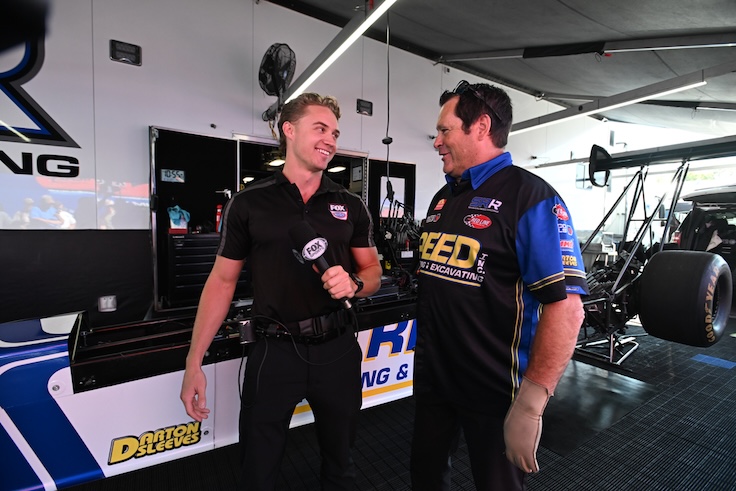
3. Shawn Reed Is a Changed Man
Two months ago, Shawn Reed’s season could have been over. A crash in Seattle cost him his left index finger, and he spent the summer healing while Jordan Vandergriff drove his car.
But when he returned to the seat this weekend, Reed was sharper, calmer, and more driven than ever. He qualified fourth, took down a string of heavy-hitters, and won his first career Top Fuel Wally with a 3.844-second pass at 326.63 mph.
"Last year we didn’t even qualify here," said Reed, "and it stuck with me. After that I told myself I’m going to do everything I can to be in the conversation when we get to Las Vegas Motor Speedway. That was my goal, and I’m not stopping. The screw’s wound up. I’m just proud of these guys — there are so many things that can go wrong out here, and they really stepped up."
What was it about the crash that changed him?
"It makes it easy when you know God doesn’t want you yet," said Reed. "If He wanted me, He would’ve taken me. So it was easy to get back in the car and stab the throttle, to tell you the truth. Through all of it, something good had to happen. I’m so happy for my guys. I’m happy for me too, but when you get older you just get thankful for what everybody’s done for you and with you. I’ll remember this forever."
"I told Susan Wade before the race — I’m going to go to Maple Grove Raceway and win that dang race. And we did. We didn’t go out there trying to light the world on fire, we just went eight laps down the track every time. That builds momentum, it builds confidence. It’s a testament to what these guys do. They’re the ones that got me here — I’m just the monkey in the seat. I’ve really only got four things to do: hit the gas on time, keep it in the groove, pull the parachutes, and find the money. That’s it."
The physical comeback was impressive. The emotional transformation was remarkable. Reed didn’t just win a race—he became living proof of what resilience looks like.
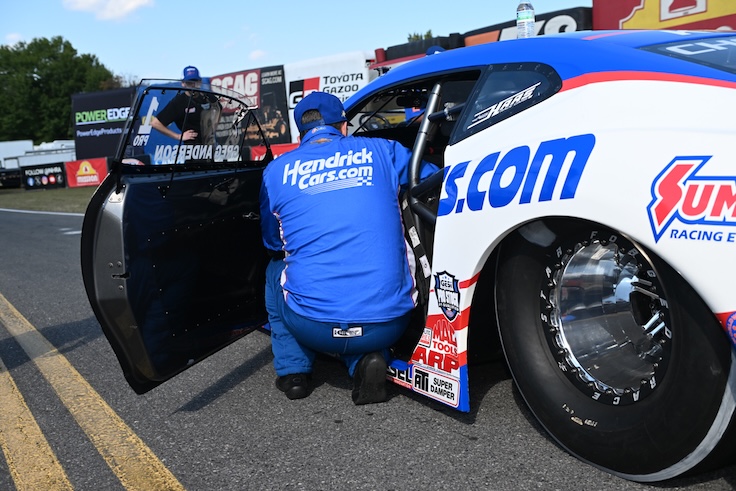
4. Greg Anderson Isn't Perfect—But He Never Makes the Same Mistake Twice
Greg Anderson has spent his career building a reputation for precision—but what makes him formidable in 2025 is how he turns rare mistakes into fuel. At the NHRA Reading Nationals, he offered a surprising reminder that even legends slip—and that what matters is how they respond.
In the semifinal round against teammate Dallas Glenn, Anderson executed an imperfect burnout. In a world where perfection is the baseline, he crossed the starting line during his first burnout—a move that, by rule, allows for a second attempt as long as the car doesn’t cross the line again. Focused on his checklist and unaware of his exact position, Anderson attempted a second burnout. Despite his team signaling him to stop, he rolled forward past the starting line again, triggering an automatic disqualification. Glenn, stunned, advanced by default.
Observers wondered why Anderson’s elite crew didn’t warn him over the radio, but Anderson doesn’t wear an earpiece. Whether for weight savings, reduced electrical load, or simply sharper concentration, it’s part of his disciplined approach.
Anderson was visibly disappointed but remarkably composed. That calm in the face of chaos is his trademark. Even with more career wins than anyone in drag racing except John Force, Anderson can still make mistakes—he just never makes the same one twice. It’s that ability to adapt, compartmentalize, and come back stronger that makes him dangerous, and why he’s still a threat every time he stages up.
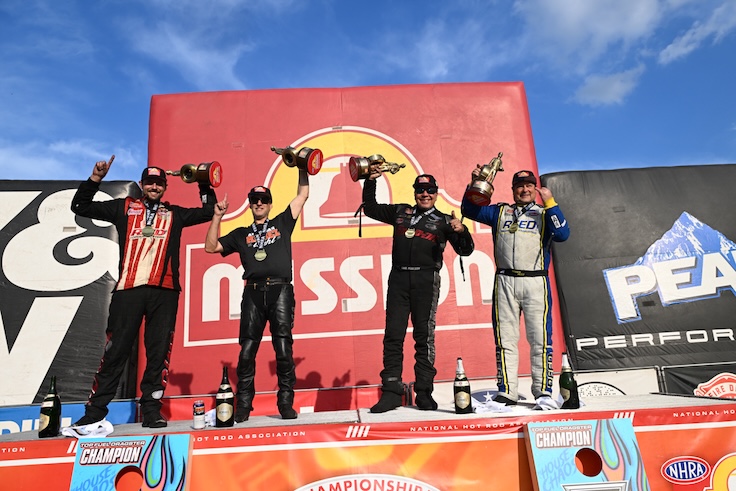
5. The Countdown Is the Great Reset
The NHRA Countdown to the Championship is drag racing’s ultimate equalizer. The regular season builds the driver, the team, the machine—but the Countdown erases the math and turns it into a six-race sprint.
Reading is where that sprint begins, and this weekend was a perfect reminder of what it demands. The wins now matter more. The mistakes hurt deeper. The margin for error vanishes.
Whoever hoists the final championship trophy—a success that comes from speed expressed in Reading Charlotte, St. Louis, Dallas, Las Vegas, and Pomona—will carry a prize the world might not fully understand, but one they will never forget.
Because they’ll know what it cost.